

ICBrindleShelters

Rapid Deployment in Minutes.

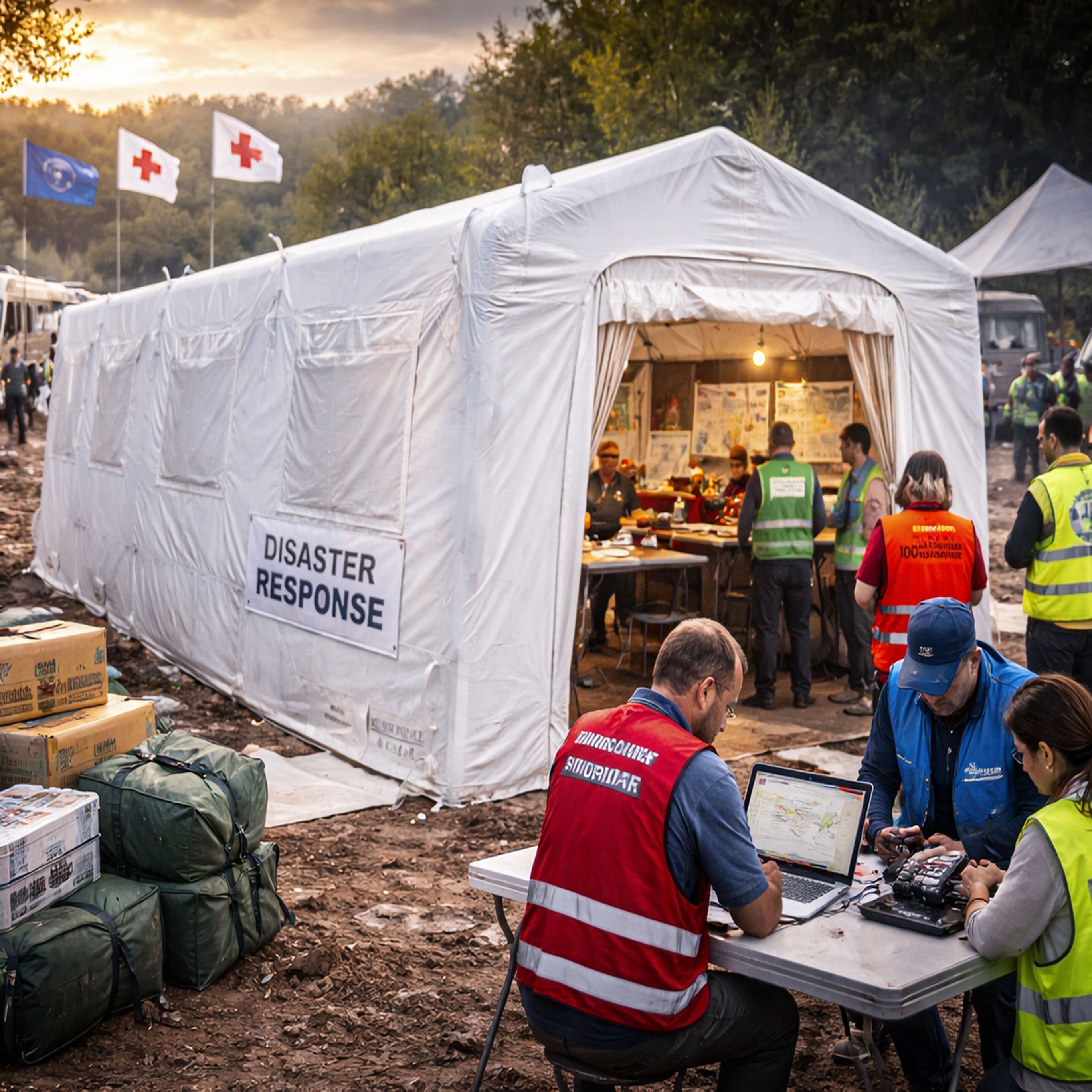
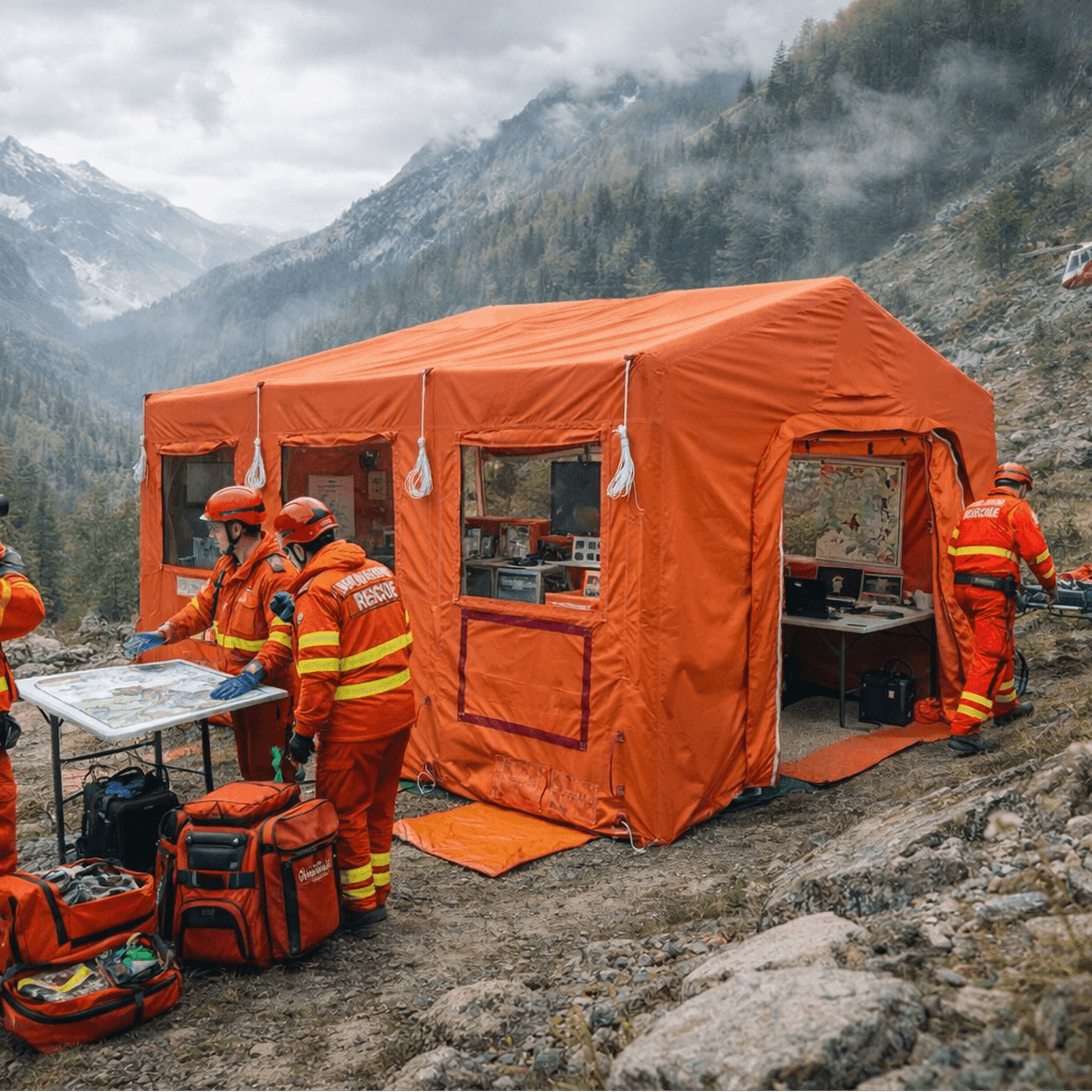
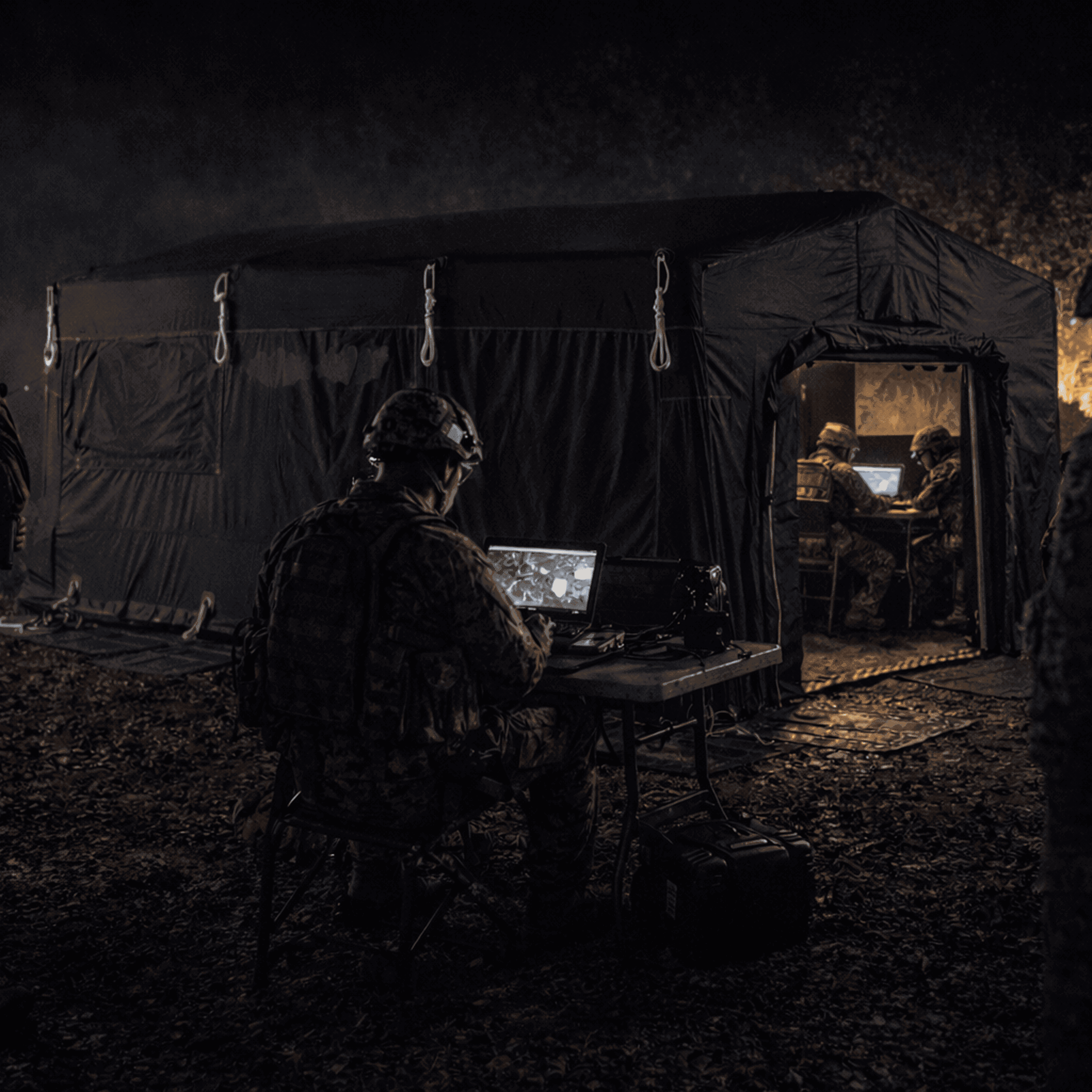
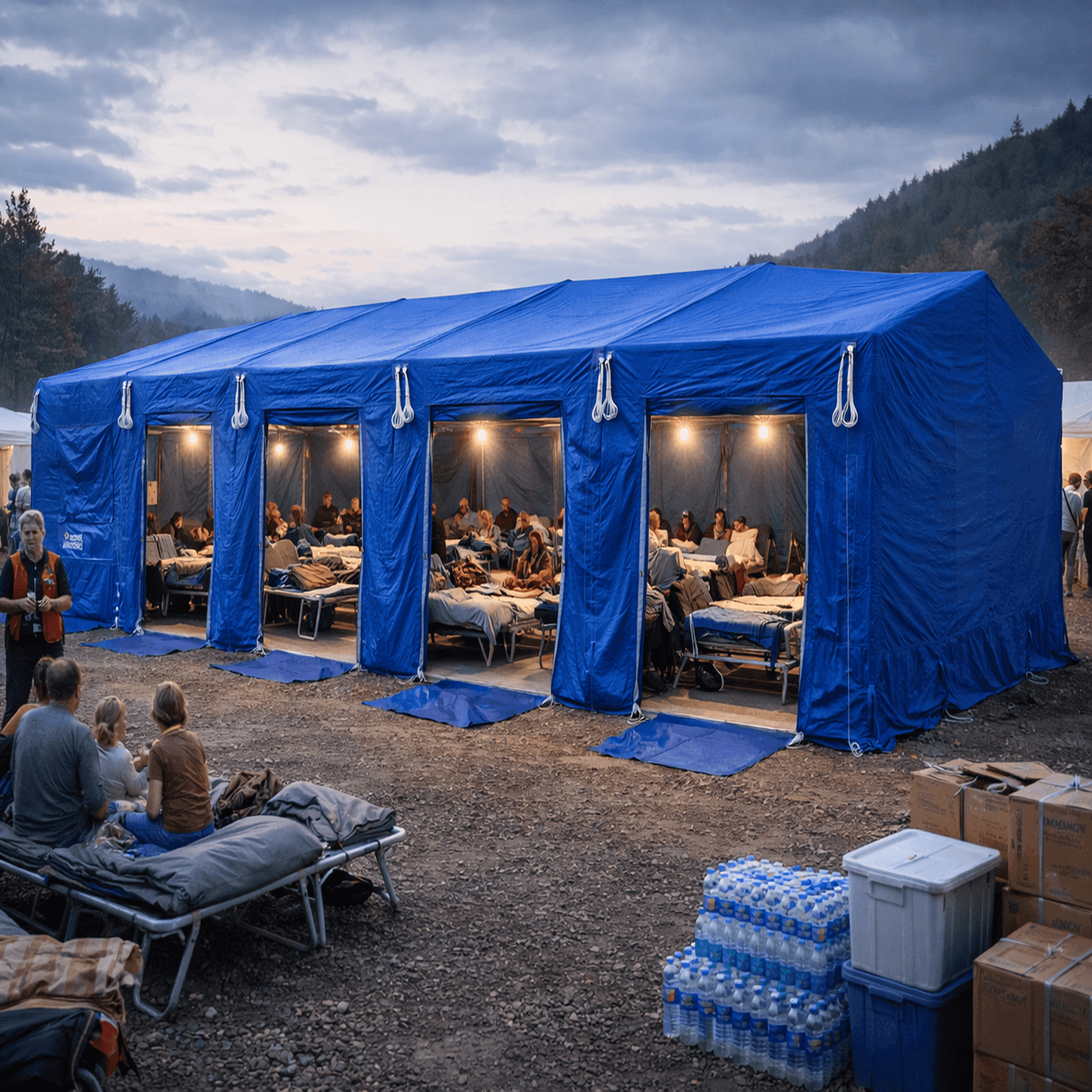
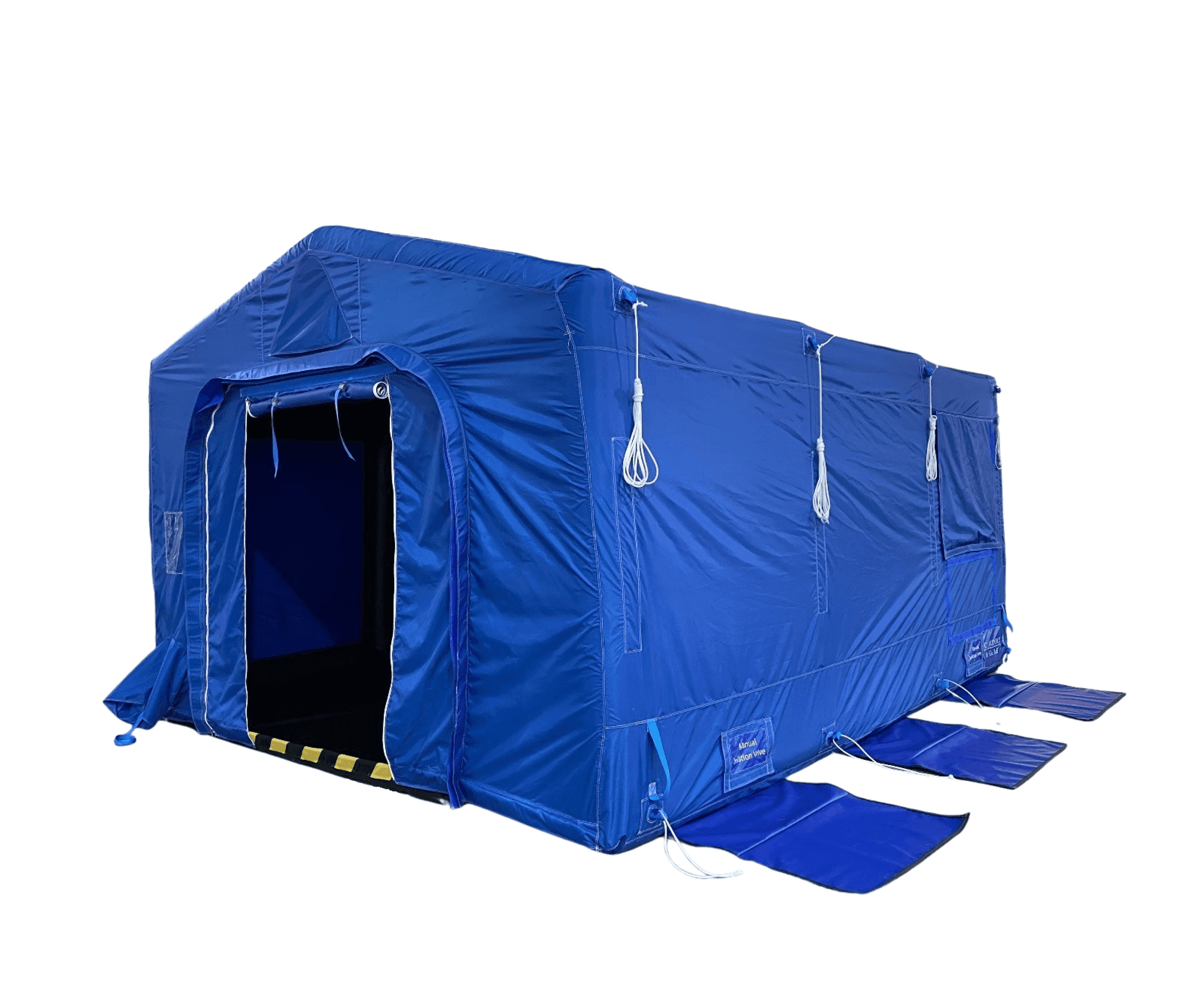
Fast-inflation shelters for emergency, police, military & medical teams. From vialise to deployed in under 5 minutes. Your complete turn-key solution for quick, reliable coverage in time-critical situations.

Performance Overview

A quick look at the shelter design, construction, and materials. The complete turn-key solution built to perform in time-critical situations.

Rapid Deployment

From packed valise to deployed and standing in under 5 minutes using sealed-beam air technology. This one-piece, out-of-the-box shelter eliminates time-consuming set ups requiring no fixings, frames or complex builds. Simply unpack, position, and inflate. Designed for rapid, 'plug-and-play' style deployment, allowing teams to focus on the mission, not the assembly.

Lightweight Construction

Designed with teams in mind. From packed valise or fully set-up, the shelter can be lifted and manoeuvred by hand for tactical, reactive and strategic positioning.

Flame Retardant

Flame-retardant construction protects teams and equipment in high-risk environments. The materials are engineered to resist ignition, giving crews confidence in fast-moving, potentially hazardous situations.

Waterproof & Water-Repellant

Waterproof and water-repellent materials keep the shelter dry and fully operational in wet conditions. Designed to prevent leaks or water pooling, it ensures teams and interior equipment stay protected and can perform effectively, even in heavy rain.

Modular Design

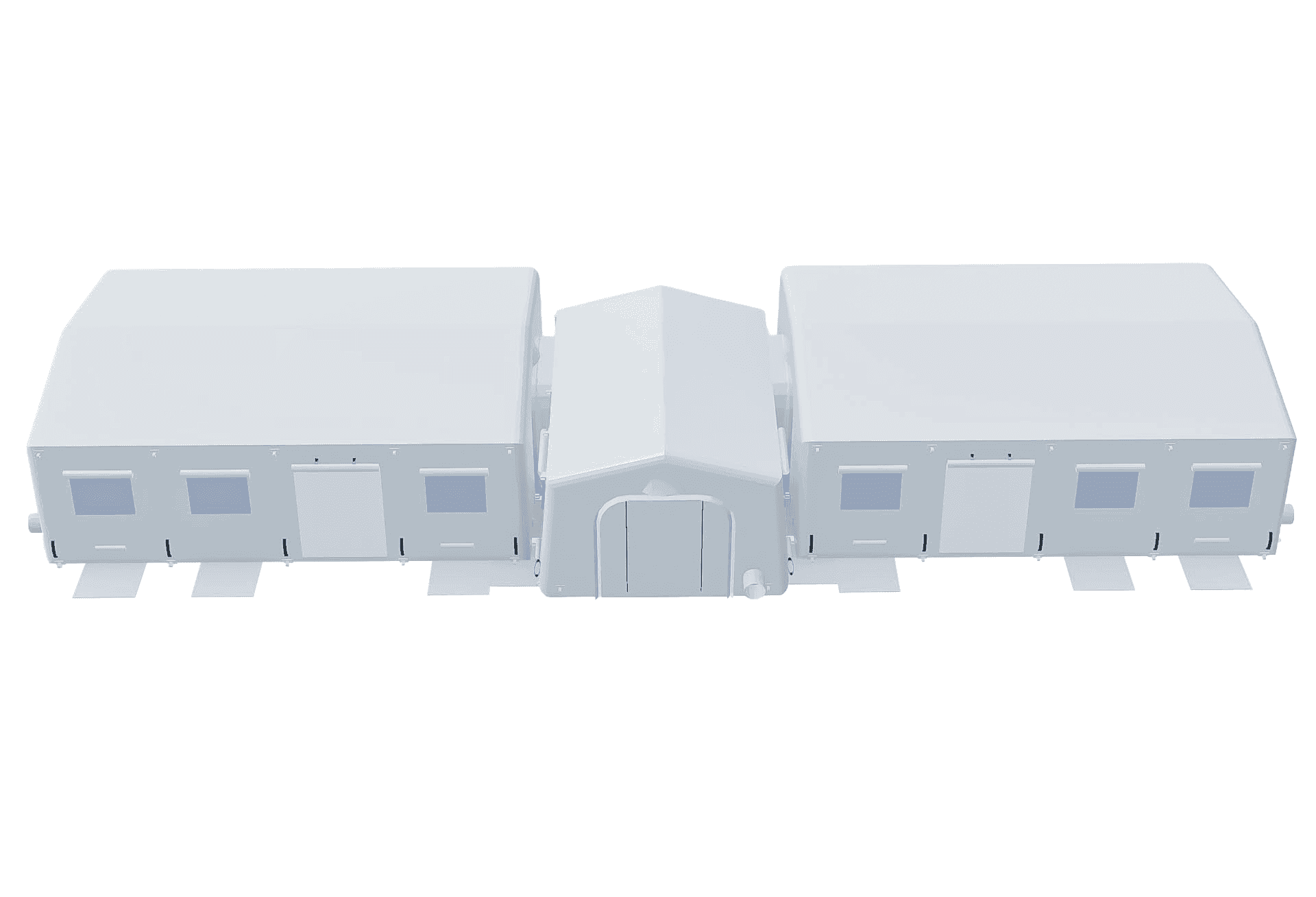
Connect multiple shelters together to create larger operational areas. Standardised interconnection points, that can also be customised for specific needs.

Fully Customisable

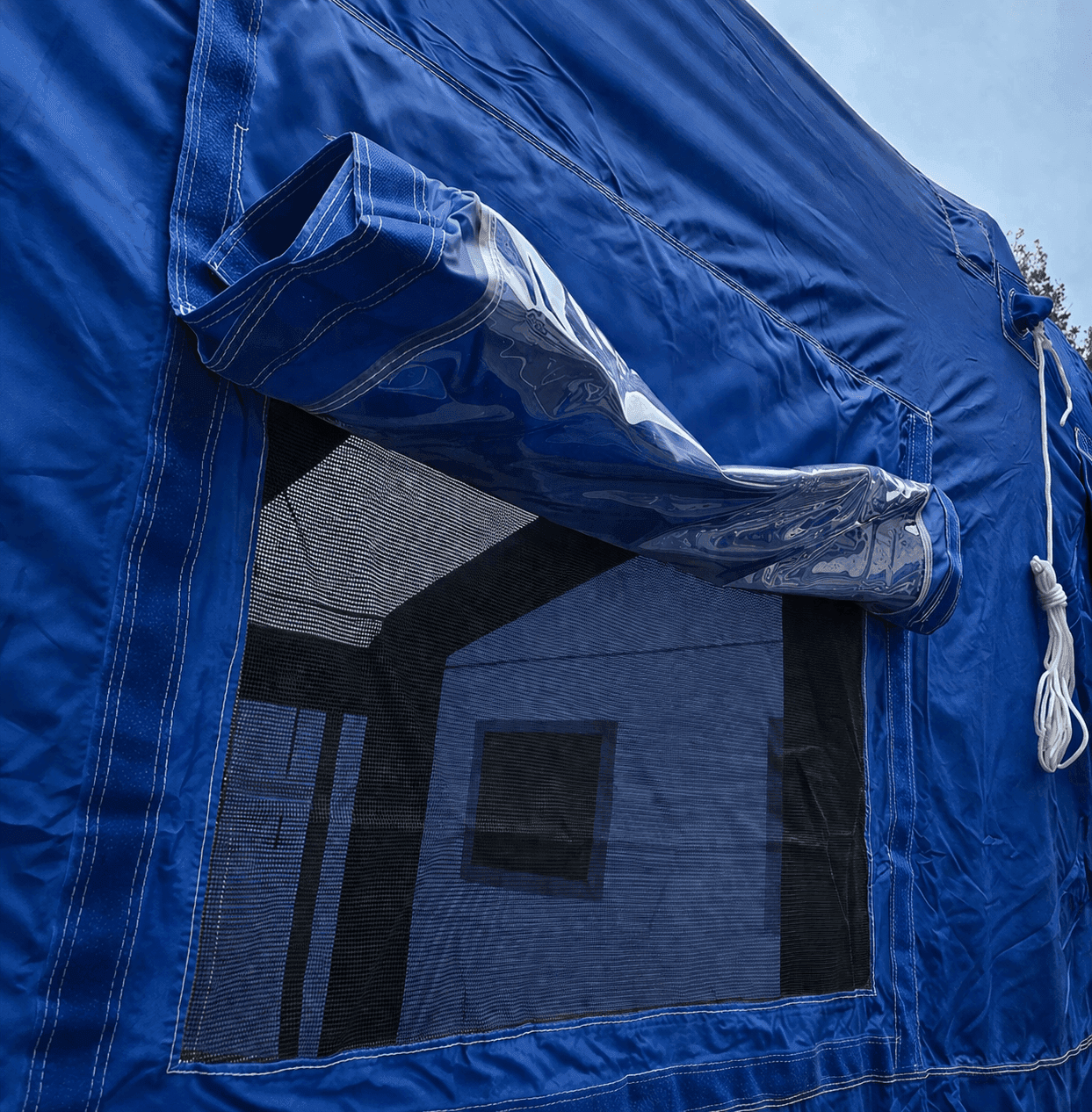
Fully customisable to meet mission needs. Entrances and exits, size, vehicle flaps, service ports, rigging areas, vents, and light panels can all be configured for optimal field performance, including beam sizing and fixing points for equipment.

Sectors and Applications

Specifications by Shelter Model

Length300cm
Int. Length300cm
Width300cm
Int. Width250cm
Height260cm
Int. Height235cm
Beam Size25cm
Working Pressure0.14bar
Packed Size0.9x0.7x0.6m
Weight60kg

Material Performance & Testing

Manufacturing

ISO 9001:2015

Manufactured under ISO 9001:2015 certified quality management system with full production traceability.

Issued by International Organisation for Standardisation

Fire Behaviour

BS 7837:1996

Shelter fabrics meet British Standard 7837 for flame retardancy of textile materials used in temporary structures.

Issued by British Standards Institution

Temperature Resistance

EN 1876-1, CEN

The shelter fabric maintains performance in extreme temperatures from -40°C to +70°C, ensuring reliability in harsh environmental conditions.

Issued by European Committee for Standardisation (CEN)

Water Repellency

ISO 4920

ISO 4920 shows the fabric repels surface water, with droplets beading and running off. This ensures effective water-repellent performance in wet conditions.

Issued by International Organisation for Standardisation

Antibacterial Activity

AATCC 147

The shelter fabric inhibits bacterial growth, showing no microbial growth along the test streak. This supports hygiene and reduces contamination risk in field environments.

Issued by American Association of Textile Chemists and Colorists (AATCC).

Fabric Strength

ISO 1421-1

Tested to ISO 1421-1, the fabric demonstrates high tensile strength (1800/1300 N/5 cm) and controlled elongation (20–30%), ensuring durability and resilience under operational loads.

Issued by International Organisation for Standardisation

Fabric Weight

ISO 3801

Measured to ISO 3801, the fabric has a total weight of 240 g/m² (±5%), balancing strength and portability for rapid-deployment shelters.

Issued by International Organisation for Standardisation

Tear Resistance

ISO 4674-A

Tested to ISO 4674-A, the shelter fabric resists tearing with values of 110 N / 100 N, helping ensure durability and reliability during deployment and use in the field.

Issued by International Organisation for Standardisation

Fade Resistance

ISO 105 B02

Tested to ISO 105‑B02, the fabric achieves a rating of ≥ 5, showing excellent resistance to fading and maintaining colour integrity under prolonged light exposure.

Issued by International Organisation for Standardisation

Configure Your Shelter Solution

Choose from standard configurations or work directly with our shelter team to design a custom shelter, designed and built to your specific operational requirements.

Request a Quote

Learn More

View this product on our main website

See Full Shelter Range & Datasheets

FAQs: Shelter Setup, Safety, and Best Practices

Rapid Deployment Shelters: A Buyer's Guide

What is a Rapid Deployment Shelter?

A Rapid Deployment Shelter (RDS) is a portable inflatable or pop-up structure that creates a weatherproof working environment within minutes of arrival at an incident scene. Unlike traditional tents that require poles, framework, and extended assembly, RDS systems use sealed beam technology, a rigid inflatable frame combined with a valve system for inflation, deflation, and overpressure control, allowing fast self-erection with minimal manual setup.

Key Selection Criteria

When specifying an inflatable shelter for emergency response or military use, the following factors should be evaluated:

  • Inflation technology: Sealed-beam (no power needed once inflated) vs. continuous inflation (requires constant air supply)
  • Deployment time: Time from arrival to fully operational, including accessory setup
  • Internal working area: Usable floor space after equipment placement
  • Access: Door size, number of entry/exit points, stretcher compatibility
  • Environmental rating: Wind speed, temperature range, waterproofing
  • Modularity: Ability to connect multiple units for larger operations
  • Weight and packed volume: Transport and storage considerations

Sealed-Beam vs. Continuous Inflation

Continuous Inflation Systems

Continuous inflation systems rely on a blower to maintain internal pressure throughout use. This allows consistent internal pressure during operation, particularly in exposed environments. However, the system requires a continuous power source, and if power is interrupted or the blower fails, internal pressure will reduce over time.

Sealed Beam Technology

Sealed beam systems use independently sealed inflatable structural elements that form a rigid frame once inflated. The structure does not require a continuous air supply, removing reliance on powered blowers during operation. This reduces operational noise, simplifies deployment, and removes dependency on a single continuous inflation system.

Choosing the Right Inflation System: Key Considerations

Both systems use inflatable structural frames but differ in how internal pressure is maintained during operation. For those specifying rapid deployment shelters for emergency response, military, or field operations, sealed beam systems are often selected where independence from a continuous power supply, reduced operational noise, and simplified deployment are important. Continuous inflation systems may be used where a constant power supply is available and maintained inflation pressure is required during extended operations.
Get Expert Shelter Advice

Choose your application, team size, and operational environment to see the I.C. Brindle shelter configurations best suited to your needs. Our experts can help guide you on the right size, features, and setup for your task or mission, making it easy to plan, design and build your custom rapid deployment shelter.

Product Configurator

Configure this product to your specifications